Search
-
 February 5, 2026
In Central Mexico, a sculpture offers a Lenten reflection
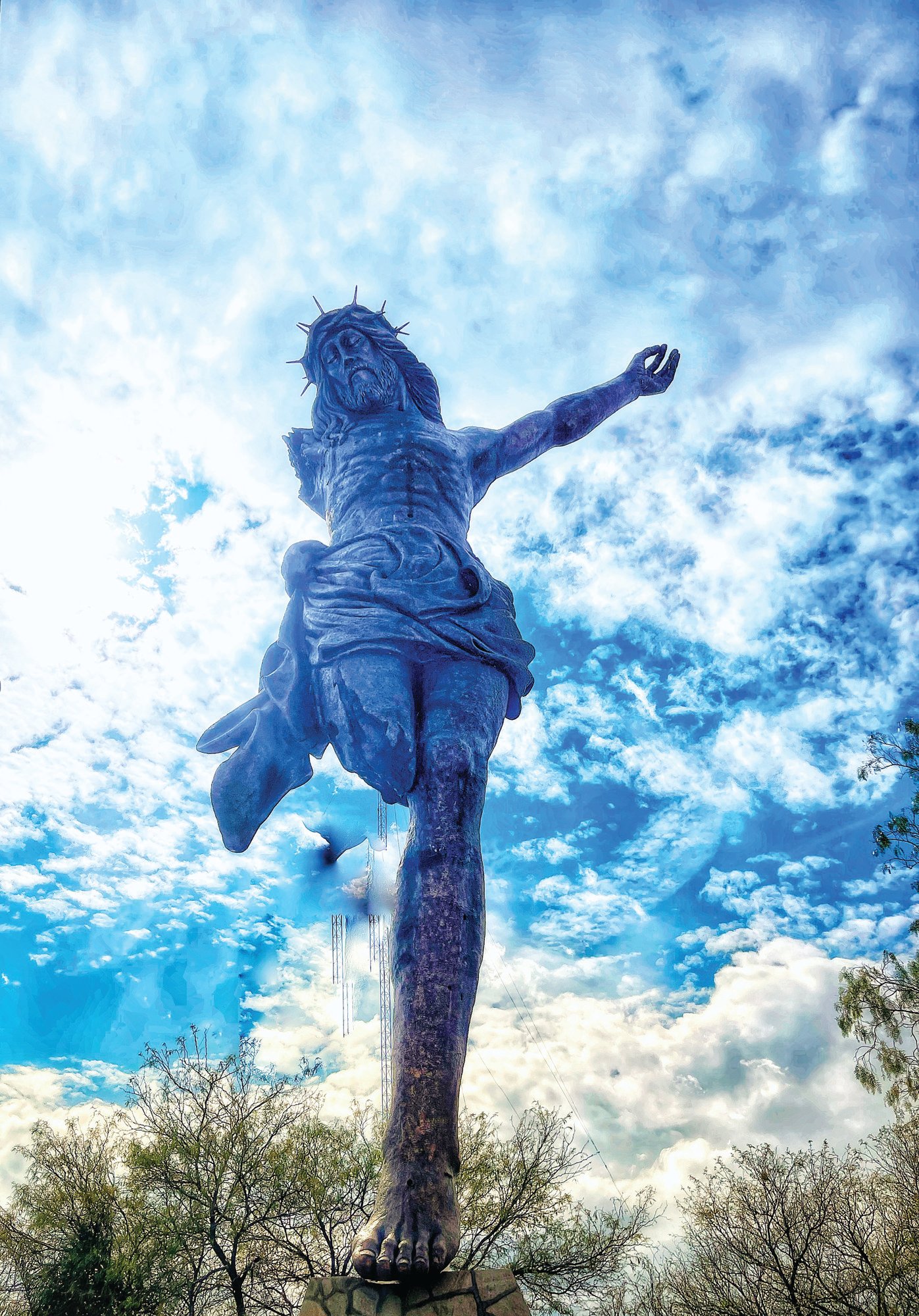
In January 2026, I went on a pilgrimage to Our Lady of Guadalupe Empress of the Americas Patroness of Latin America Queen of Mexico. There I also visited “Cristo Roto” (Broken Christ), which is a statue of a Broken Christ.
The statue is purposefully broken and it is a popular pilgrimage site in the state of Aguascalientes, where the majority of the population is Roman Catholic. Basically, the purpose behind the statue can be summed up in a plaque at the foot of the statue featuring a core message.
“Leave Me Broken ...”
The soul of Mexico’s Cristo Roto in Aguascalientes comes from its message of solidarity with the suffering, represented by its broken form symbolizing the oppressed – not a complaint, but a loving invitation from Christ himself. The original text and its more complete and accurate translation carry a deeper meaning:
Original English text: “Leave Me Broken. I want you to see me broken. Remember that many of your brothers are like me, broken, beaten, indigent, oppressed, sick, mutilated … Without arms, because they don’t have possibilities or a way to work; without feet, because their paths have been blocked; without a cross, because their honor has been taken from them, both their honor and their prestige. All forget them and turn their backs to them, although they are like me … A broken Christ.”
Around the world, there are countless magnificent statues of Christ, often depicted with perfect beauty, in a posture of blessing or triumph over death. But on a small island in the middle of the Plutarco Elías Calles reservoir in San José de Gracia, Aguascalientes, Mexico, the sculpture leaves anyone who beholds it speechless because of its unique form.
This is not an unfinished or damaged work of art. Standing a towering 25 meters tall (28 meters including the base), this statue of Christ deliberately bears horrific wounds. He is missing his right arm, his right leg and there is no cross for him to lean on. This intentional “unconventional” appearance is not a symbol of failure, but rather a question, a silent and profound sermon that attracts thousands of pilgrims and tourists every year who come to listen to the message resonating from this brokenness.
The story of El Cristo Roto is intrinsically linked to the history of the town of San José de Gracia itself. In the mid-20th century, the old town was submerged to build the Plutarco Elías Calles dam, forcing the inhabitants to relocate to a new area. This event symbolized a “breaking,” a loss of their homeland.
The direct inspiration for this statue is said to have come from an old wooden crucifix that a priest had acquired. The crucifix was also in a broken and damaged state, missing hands and feet. When he considered having it restored, the priest received a divine revelation: to leave the broken form as it was. The image of the wounded Christ was not meant to be “repaired,” but rather to reflect the countless broken and suffering lives of humanity.
Inspired by that, the project to build a giant statue of the Broken Christ was born, as a tribute and remembrance to those who have lost their homeland, and more broadly, to all those who are suffering throughout the world. This sculpture, made of steel and reinforced concrete, was completed and became a unique symbol of faith in Mexico.
This message is powerful to the viewer’s consciousness. The statue not only represents the suffering of Jesus on the cross, but also embodies all the suffering of the world.
The loss of Christ’s arm is not meant for us to beg for a miraculous healing for him, but for us to become his “arm,” reaching out to help those who are no longer able to work, those who are marginalized in society.
The feet of Christ are meant to remind us of those who are bound in chains, those who cannot walk their own path, and to urge us to become the “feet” that support them.
The face is no longer intact, and the cross, a symbol of those who have been humiliated and stripped of their dignity, is also missing. The statue calls upon us to restore their lost honor.
El Cristo Roto challenges faith. Instead of looking up at an all-powerful, perfect God in heaven, the statue forces us to confront the painful reality of the world. It affirms that Christ is present in the ragged, sick and oppressed people we encounter every day. Turning our backs on them is also turning our backs on God.
During this Holy Lenten season, I invite you to join me in meditating on “A Broken Christ,” reflecting on his ultimate sacrifice, on the physical and spiritual suffering he endured for humanity, so that we may recognize his boundless love, his weakness, and his strength. And thereby find inner peace, compassion and a desire to live a holier life, united with him in the Paschal mystery.
Ultimately, El Cristo Roto is an affirmation: Faith is not about escaping from harsh reality, but about courageously confronting brokenness – both our own and that of others – and finding God precisely in those wounds.
Father Christopher Hai Tran is pastor at Saint Wenceslaus Catholic Church in Prague and rector of the National Shrine of the Infant Jesus of Prague.
Photo: "Cristo Roto” (Broken Christ) statue in Mexico. Photo provided.