Search
News - October 2025 RSS Feed
-
- All News
-
-
-
- Additional Materials (2)
- American Indian Catholic Outreach (3)
- Archbishop's Column (232)
- Articles (2613)
- Briefs (49)
- Campus Ministry (12)
- Español (259)
- Home (162)
- Homilies (1)
- Honor Dance (1)
- Jobs Box (13)
- Media (1)
- News (12)
- News & Events (3)
- Oklahoma Catholic Native Schools Project (7)
- Put Out Into the Deep (234)
- Put Out Into the Deep - Español (211)
- Sooner Catholic (36)
- St. Kateri Tekakwitha Spiritual Center of Oklahoma (3)
- Synod Session Schedule (1)
-
-
October 23, 2025El calendario litúrgico es el programa de fechas y tiempos de la Iglesia que marcan su ritmo de vida y de fe. La piedra angular del año litúrgico es el Domingo, el Día del Señor, el cual es como una “pequeña pascua”. Tenemos otros tiempos como el Tiempo Ordinario y días como el Miércoles de Ceniza, con el cual comienza el tiempo penitencial de la Cuaresma. Tenemos también el tiempo Adviento y de Navidad, y las fiestas de varios santos que veneramos.Read More
-
October 23, 2025The liturgical calendar is the Church’s schedule of feasts and seasons that mark the rhythm of our life of faith. The cornerstone of the liturgical year is Sunday, the Lord’s Day, which is always a “little Easter.” We also have seasons such as Ordinary Time and days such as Ash Wednesday, which begins the penitential season of Lent. We have Advent and the Christmas season, and the feasts of the various saints we venerate.Read More
-
October 23, 2025Effective Date: Oct. 10, 2025Read More
-
October 23, 2025VATICAN CITY (CNS) -- Power, possessions and rank do not satisfy the deep desire for real meaning in life, Pope Leo XIV said.Read More
-
October 23, 2025Speaking about his deceased friend Onesiphorus, Saint Paul in 2 Timothy 1:16-18, expresses gratitude for Onesiphorus's loyalty while imprisoned in Rome and prays that he will receive mercy from the Lord on the Day of Judgment.Read More
-
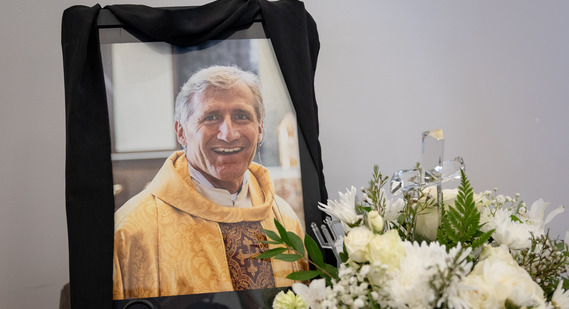
October 23, 2025Father Thomas Boyer, formerly a pastor in the Archdiocese of Oklahoma City now retired in Florida, recalled a conversation from some time ago with Father Joseph Jacobi.Read More
-
October 23, 2025Oklahoma City parish celebrates CentennialRead More
-
October 23, 2025College students finding the Catholic faith through campus ministriesRead More
-
October 23, 2025Rocket athletes, actors and academic competitors alike have been working hard toward one goal all semester: making it to state.Read More
-
October 23, 2025Following a restful fall break, the past couple weeks have been filled with preparation. Senior service and football home games are just a glimpse into the busy lives of the Bishop McGuinness community as the year continues.Read More
-
October 23, 2025Did you know Oklahoma taxpayers may use their state income taxes to help children attend Catholic school? If you answered “No,” then you aren’t alone.Read More
-
October 22, 2025WASHINGTON – When the U.S. bishops gather in November for their Fall Plenary Assembly, Nov. 10-13, they will elect the next president and vice president for the U.S. Conference of Catholic Bishops (USCCB).Read More
-
October 18, 2025November is Native American Heritage Month. It’s a time to honor the sacrifices and contributions of American Indians to their country, their community and their faith.Read More
-
October 9, 2025El 22 de octubre celebraremos la festividad de San Juan Pablo II y muy probablemente muchos de los que estén leyendo esta columna tendrán recuerdos personales de su vida, su ministerio y su testimonio valeroso.Read More
-
October 9, 2025On Oct. 22, we will celebrate the feast of Saint John Paul II. Many who are reading this column will have personal memories of his life, ministry and heroic witness.Read More
-
October 8, 2025El rosario puede cambiar el mundo, insta organización de caridad pontificia al invitar a un millón de niños a orarRead More
-
October 8, 2025On Oct. 12, 1875, two intrepid monks from the French Benedictine monastery of Saint Marie of La Pierre-qui-Vire set foot for the first time in the mission territory entrusted to them. Father Isidore Robot, O.S.B., and Brother Dominic Lambert, O.S.B., finally had arrived at a destiny and mission that was long in the making – a destiny and mission that eventually would evolve not only into Saint Gregory’s Abbey, but also into the Archdiocese of Oklahoma City and the Diocese of Tulsa.Read More
-
October 8, 2025Pontifical charity urges message before a million children prayRead More
-
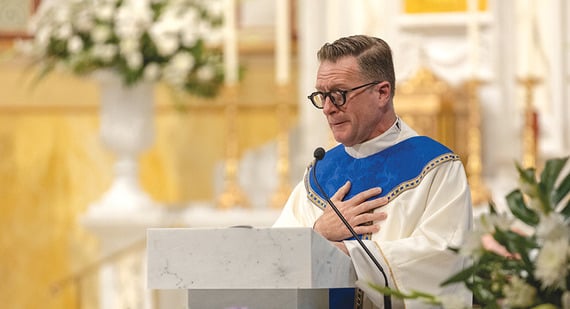
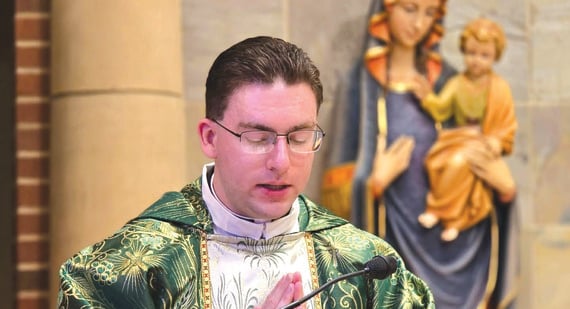
October 8, 2025Monsignor William Novak stood before an overflow crowd at The Cathedral of Our Lady of Perpetual Help, preparing to deliver his homily.Read More
-
October 8, 2025New archdiocesan priests relive the ‘hot seat’ seminary classRead More
See More